Exploring Windows and Siding: A Comprehensive Guide
Delving into the world of windows and siding, this guide aims to provide a detailed insight into the various aspects of these essential components in residential buildings. From types of windows to siding materials, installation processes, and more, this comprehensive overview covers it all.
Types of Windows
Windows play a crucial role in the aesthetics and energy efficiency of residential buildings. Different types of windows offer various benefits based on their design and materials used.
Vinyl Windows
Vinyl windows are popular due to their affordability and low maintenance requirements. They offer excellent insulation, helping to reduce energy costs and noise infiltration. Additionally, vinyl windows come in a variety of colors and styles, enhancing the overall look of a home.
Wooden Windows
Wooden windows provide a classic and timeless appeal to homes. They offer natural insulation properties, which can help in maintaining a comfortable indoor environment. However, wooden windows require regular maintenance to prevent rot and decay.
Aluminum Windows
Aluminum windows are durable and lightweight, making them a popular choice for modern homes. They are also low maintenance and resistant to rust. However, aluminum windows are not as energy-efficient as other materials and can conduct heat, potentially leading to energy loss.
Fiberglass Windows
Fiberglass windows are known for their strength and durability. They offer excellent insulation properties, helping to regulate indoor temperatures and reduce energy consumption. Fiberglass windows also have a longer lifespan compared to other materials, making them a cost-effective choice in the long run.
Siding Materials
When it comes to choosing siding materials for your home, there are several popular options available, each with its own unique characteristics and benefits. Let's take a closer look at some of the most commonly used siding materials, including vinyl, wood, fiber cement, and metal.
Vinyl Siding
Vinyl siding is a popular choice for many homeowners due to its affordability and low maintenance requirements. It is available in a wide range of colors, making it easy to find a shade that complements your home's exterior. Vinyl siding is durable and resistant to rot, fading, and insect damage, making it a long-lasting option for your home.
Wood Siding
Wood siding offers a classic and natural look that many homeowners find appealing. While wood siding requires more maintenance than other materials, regular painting or staining can help protect it from the elements and maintain its appearance over time. Wood siding can be painted or stained in a variety of colors to suit your preferences.
Fiber Cement Siding
Fiber cement siding is a durable and low-maintenance option that offers the look of wood without the same level of upkeep. It is resistant to rot, fire, and insects, making it a long-lasting choice for your home. Fiber cement siding is available in a variety of colors and styles, allowing you to customize the look of your home's exterior.
Metal Siding
Metal siding, such as aluminum or steel, is a strong and durable option for homeowners looking for a modern and sleek appearance. Metal siding is resistant to fire, rot, and insects, making it a low-maintenance choice for your home. It is available in a range of colors and finishes, giving you the flexibility to create a unique and eye-catching exterior for your home.
Window Installation
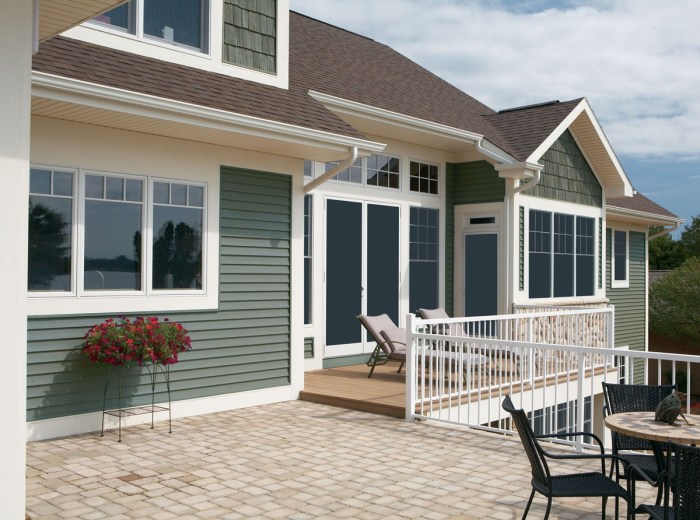
Installing new windows is a crucial home improvement project that requires attention to detail and proper technique. From preparation to finishing touches, every step plays a significant role in ensuring the windows are installed correctly and provide optimal performance.
Importance of Proper Insulation and Sealing
Proper insulation and sealing are essential aspects of window installation that should not be overlooked. Without adequate insulation, your home may experience energy loss, resulting in higher utility bills. Additionally, improper sealing can lead to air leaks, water infiltration, and even structural damage over time
To prevent these issues, it is crucial to use high-quality insulation materials and sealants during the installation process.
- Ensure all gaps and cracks around the window frame are properly insulated to prevent air leakage.
- Use weather-stripping to seal the edges of the window and prevent drafts.
- Apply a bead of caulk around the window frame to create a watertight seal and prevent moisture intrusion.
Common Challenges Faced During Window Installation
Window installation can present various challenges that may impact the overall outcome of the project. It is essential to be aware of these challenges and know how to overcome them effectively.
- Uneven window openings: Ensure the window frame is properly shimmed and leveled to prevent issues with the operation of the window.
- Incorrect measurements: Double-check all measurements before cutting the opening to avoid costly mistakes.
- Water damage: Properly flashing the window and ensuring adequate drainage can help prevent water infiltration and damage to the surrounding structure.
Siding Installation
Installing siding on a house is a crucial step in enhancing its appearance and protecting it from the elements. The process involves cutting, fitting, and fastening the siding properly to ensure a seamless and weatherproof finish.
Tools and Equipment Needed
- Vinyl or fiber cement siding
- Tape measure and chalk line
- Utility knife and circular saw
- Hammer or nail gun
- J-channel, corner posts, and trim pieces
- Level and square
- Caulk and flashing
Ensuring Proper Alignment and Weatherproofing
- Start by measuring and marking the layout of the siding to ensure straight lines and proper alignment.
- Cut the siding panels to the correct length using a circular saw or utility knife, ensuring clean and precise cuts.
- Install J-channels around windows, doors, and corners to provide a finished look and prevent water infiltration.
- Overlap siding panels correctly to allow for expansion and contraction during temperature changes.
- Use flashing at vulnerable areas like windows, doors, and rooflines to prevent water penetration and ensure weatherproofing.
Outcome Summary
In conclusion, windows and siding play crucial roles in the functionality and aesthetics of a home. By understanding the different types, materials, and installation techniques discussed in this guide, homeowners can make informed decisions to enhance their living spaces.
User Queries
What are the benefits of vinyl siding?
Vinyl siding is known for its durability, low maintenance, and versatility in terms of color options. It is also cost-effective compared to other siding materials.
How can I improve energy efficiency with new windows?
Opting for energy-efficient windows, such as double-pane or triple-pane glass, and ensuring proper insulation during installation can significantly enhance energy efficiency in your home.
What tools are necessary for siding installation?
Common tools needed for siding installation include a saw, hammer, level, tape measure, and caulking gun. These tools help ensure precise cutting, fitting, and fastening of siding materials.