Exploring the World of Synthetic Stucco Siding
Step into the realm of synthetic stucco siding, a versatile and innovative solution that has been gaining popularity in the world of home exteriors. As we delve deeper, you'll uncover the secrets behind its composition, benefits, and prominent brands that have embraced this modern siding option.
Moving on to the next paragraph where we provide detailed insights and information about the topic at hand.
Introduction to Synthetic Stucco Siding

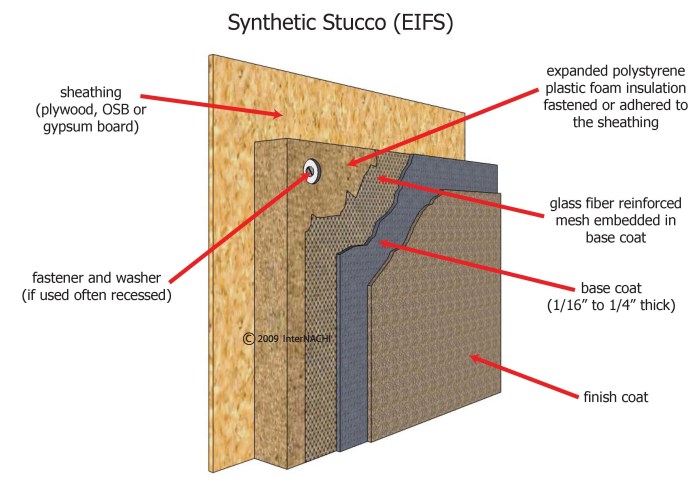
Synthetic stucco siding, also known as Exterior Insulation and Finish System (EIFS), is a popular cladding material used in both residential and commercial construction. It is composed of a foam insulation board attached to the exterior wall surface, followed by a base coat, reinforcement mesh, and finish coat.
Advantages of Synthetic Stucco Siding
- Energy Efficiency: Synthetic stucco provides excellent insulation, helping to reduce energy costs by maintaining indoor temperature.
- Durability: It is resistant to cracking, fading, and impact, making it a long-lasting option for exterior walls.
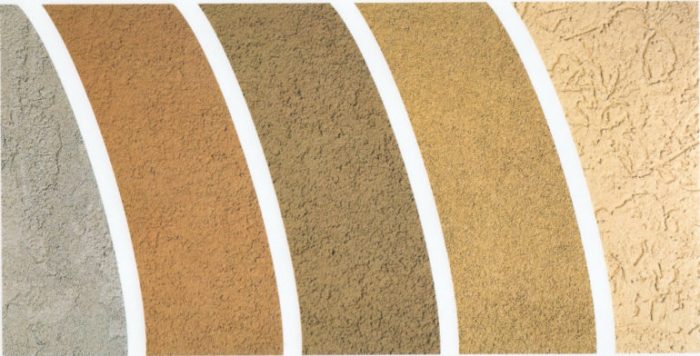
- Design Versatility: Synthetic stucco comes in a variety of colors and textures, allowing for customization to suit different architectural styles.
- Water Resistance: The system is designed to repel moisture, preventing water damage and mold growth.
Popular Brands Offering Synthetic Stucco Siding
Some well-known brands that offer synthetic stucco siding include:
- Dryvit Systems
- STO Corp
- Parex
- MasterWall
Installation Process
When it comes to installing synthetic stucco siding, there are several steps involved to ensure a successful outcome. From preparing the surface to applying the final coat, each step plays a crucial role in achieving a durable and aesthetically pleasing finish.
Surface Preparation
Before installing synthetic stucco siding, it is essential to prepare the surface properly. This involves cleaning the existing surface to remove any dirt, debris, or loose material that could affect the adhesion of the stucco. Additionally, any repairs or patching should be done to ensure a smooth and even surface for the siding to adhere to.
Applying the Base Coat
Once the surface is prepared, the next step is to apply the base coat. This coat serves as the foundation for the synthetic stucco and helps create a strong bond with the surface. The base coat should be applied evenly and allowed to dry according to the manufacturer's instructions.
Installing the Mesh
After the base coat has dried, a fiberglass mesh is typically embedded into the wet base coat. This mesh helps reinforce the stucco and prevent cracking over time. Care should be taken to ensure the mesh is properly embedded and overlaps are correctly sealed.
Applying the Finish Coat
The final step in the installation process is applying the finish coat. This coat is what gives the synthetic stucco siding its texture and color. It should be applied evenly and allowed to dry thoroughly before any additional finishing touches are made.
Tools and Materials
- Stucco mix
- Trowels
- Fiberglass mesh
- Caulk
- Paint sprayer or roller
- Protective gear (gloves, goggles, mask)
Tips for Successful Installation
- Follow manufacturer's instructions carefully.
- Work in small sections to ensure even application.
- Keep tools clean to avoid dried stucco buildup.
- Allow each coat to dry completely before proceeding to the next step.
- Regular maintenance and upkeep can prolong the lifespan of synthetic stucco siding.
Maintenance and Care
Proper maintenance and care are essential to ensure the longevity and aesthetic appeal of synthetic stucco siding. By following these guidelines, you can keep your siding in top condition for years to come.
Guidelines for Maintaining Synthetic Stucco Siding
- Inspect the siding regularly for any signs of damage, such as cracks or chips.
- Address any repairs promptly to prevent further damage and moisture infiltration.
- Keep the siding clean by washing it with a mixture of mild detergent and water at least once a year.
- Avoid using high-pressure washers, as they can damage the siding's surface.
Cleaning Synthetic Stucco Siding Properly
- Start by spraying the siding with water to remove any loose dirt or debris.
- Mix a solution of mild detergent and water in a bucket.
- Use a soft-bristled brush or cloth to gently scrub the siding with the detergent solution.
- Rinse the siding thoroughly with clean water to remove any soap residue.
Tips for Preventing Damage and Prolonging the Lifespan
- Avoid planting shrubs or bushes too close to the siding, as they can cause damage and trap moisture.
- Trim tree branches that hang over the siding to prevent them from scratching or damaging the surface.
- Inspect the caulking around windows and doors regularly and reseal as needed to prevent water infiltration.
- Consider applying a protective sealant to the siding every few years to enhance its durability and resistance to the elements.
Durability and Weather Resistance
Synthetic stucco siding is known for its exceptional durability and weather resistance, making it a popular choice for homeowners looking for a long-lasting siding option.
Weather Conditions
Synthetic stucco siding holds up well against a variety of weather conditions, including rain, snow, wind, and extreme temperatures. Its water-resistant properties help protect against moisture damage, while its sturdy construction offers resistance to impact from hail or debris.
Comparison to Traditional Stucco and Other Siding Materials
- Synthetic stucco siding is more flexible than traditional stucco, reducing the risk of cracking or chipping over time.
- Compared to vinyl or wood siding, synthetic stucco is less prone to warping, fading, or rotting, increasing its longevity.
- When compared to metal siding, synthetic stucco provides better insulation and impact resistance, enhancing its durability.
Special Considerations for Extreme Climates
In extreme climates with high humidity, intense heat, or severe cold, it is important to take certain precautions when installing synthetic stucco siding. Proper sealing and insulation can help maintain the integrity of the siding and prevent moisture penetration. Additionally, regular inspections and maintenance can ensure that the siding continues to perform well in challenging weather conditions.
Cost Considerations
When considering synthetic stucco siding for your home, it's essential to understand the cost factors involved. The overall cost will depend on several key elements, including the size of your home, labor costs, materials used, and any additional customization or detailing.
Breakdown of Cost Factors
- The size of your home: The larger the surface area to cover, the more materials and labor will be required, leading to higher costs.
- Labor costs: Hiring professionals to install synthetic stucco siding will incur labor costs, which can vary depending on the complexity of the job and local labor rates.
- Materials used: The quality of the synthetic stucco material, additional insulation, and finishing touches will all impact the overall cost.
- Customization and detailing: Any extra design elements, textures, or colors will add to the total cost of the project.
Comparison to Other Siding Options
- Synthetic stucco siding vs. Vinyl siding: While vinyl siding is generally less expensive upfront, synthetic stucco offers better durability and weather resistance, potentially leading to long-term cost savings.
- Synthetic stucco siding vs. Fiber cement siding: Fiber cement siding is more expensive than synthetic stucco but may require less maintenance over time, impacting overall costs in the long run.
- Synthetic stucco siding vs. Wood siding: Wood siding can be costly to maintain and may require more frequent repairs, making synthetic stucco a potentially more cost-effective option in the long term.
Tips for Budgeting and Value
- Get multiple quotes: Compare quotes from different contractors to ensure you are getting a fair price for the installation of synthetic stucco siding.
- Consider long-term savings: While synthetic stucco siding may have a higher upfront cost, its durability and low maintenance requirements can result in savings over time.
- Opt for quality materials: Investing in high-quality synthetic stucco materials can ensure better performance and longevity, reducing the need for repairs and replacements in the future.
Concluding Remarks
In conclusion, synthetic stucco siding emerges as a durable, stylish, and cost-effective choice for homeowners looking to enhance the aesthetics and functionality of their properties. With proper maintenance and care, this siding option can truly stand the test of time, making it a worthwhile investment for any modern home.
Expert Answers
What is synthetic stucco siding made of?
Synthetic stucco siding is typically composed of a mixture of cement, sand, and polymers, providing a durable and versatile exterior finish.
How do you clean synthetic stucco siding properly?
To clean synthetic stucco siding, use a gentle soap solution and a soft brush or cloth to remove dirt and grime. Avoid using high-pressure water or abrasive cleaners to prevent damage.
What are the cost factors associated with synthetic stucco siding?
The cost of synthetic stucco siding can vary based on factors such as the size of the project, selected brand, and installation complexity. It is generally comparable to traditional stucco but offers additional benefits.