Choosing the Best Siding for Homes Near Me: A Comprehensive Guide
Exploring the world of siding for homes near me, this article delves into the various materials, factors to consider, costs, and local regulations surrounding this essential home feature. Get ready to uncover all you need to know to make the right siding choice for your home.
Types of Siding Materials
When it comes to choosing siding materials for your home, there are several options available, each with its own unique characteristics. Let's explore some of the most common types of siding materials used for homes.
Vinyl Siding
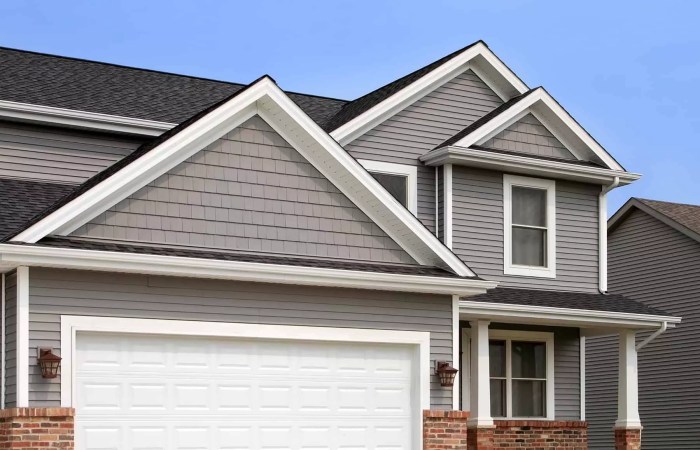
Vinyl siding is a popular choice due to its affordability and low maintenance requirements. It is durable, resistant to rot and insects, and comes in a wide range of colors and styles. However, it may not offer the same level of insulation as other materials and can be prone to cracking or fading over time.
Wood Siding
Wood siding provides a natural, timeless look and can enhance the aesthetic appeal of a home. It is versatile and can be painted or stained in various colors. While wood siding is biodegradable and environmentally friendly, it requires regular maintenance such as painting or staining to prevent rot and insect damage.
Fiber Cement Siding
Fiber cement siding is a durable and low-maintenance option that resembles wood but is resistant to rot, fire, and insects. It is available in a variety of textures and colors, offering a versatile design option for homeowners. While fiber cement siding can be more expensive upfront, it is known for its longevity and durability.
Metal Siding
Metal siding, such as aluminum or steel, is known for its strength and longevity. It is resistant to fire, rot, and insects, making it a durable option for homes. Metal siding is available in different finishes and can be painted to achieve a custom look.
However, it may dent or scratch more easily than other materials.
Factors to Consider When Choosing Siding
When selecting siding for your home, there are several important factors to consider to ensure you make the right choice.
Climate Considerations
The climate of your region plays a crucial role in determining the best siding material for your home. For instance, in areas with high humidity or frequent rainfall, you may want to opt for materials that are resistant to moisture, such as vinyl or fiber cement siding.
On the other hand, in regions with extreme temperature variations, insulated siding options like foam-backed vinyl can help improve energy efficiency and provide better thermal insulation.
Maintenance Requirements
Different siding materials have varying maintenance needs. For example, wood siding may require regular painting or staining to prevent rot and decay, while vinyl siding is low-maintenance and only needs occasional cleaning. Fiber cement siding is durable but may require repainting every few years.
Consider your willingness to invest time and effort into maintaining your siding when making your decision.
Architectural Style Influence
The architectural style of your home can also influence the choice of siding. Traditional homes may look best with classic options like wood or brick siding, while modern homes can benefit from sleek and contemporary materials like metal or stucco.
Consider how the siding material will complement the overall aesthetic of your home and enhance its curb appeal.
Cost Considerations
When it comes to choosing siding for your home, cost is a significant factor to consider. Understanding the average cost per square foot for different siding materials can help you make an informed decision that fits your budget.
Average Cost Per Square Foot
- Vinyl Siding: $3-$7 per square foot
- Fiber Cement Siding: $5-$12 per square foot
- Wood Siding: $6-$15 per square foot
- Brick Siding: $8-$15 per square foot
- Stone Siding: $15-$30 per square foot
Long-Term Cost Implications
While opting for low-cost siding may seem budget-friendly initially, it's essential to consider the long-term cost implications. Low-quality materials may require frequent repairs or replacements, leading to higher maintenance costs over time. On the other hand, investing in high-quality siding upfront can result in lower maintenance expenses and increased durability, ultimately saving you money in the long run.
Tips for Balancing Budget and Quality
- Set a realistic budget: Determine how much you can afford to spend on siding without compromising quality.
- Compare quotes: Get estimates from multiple contractors to find the best value for your budget.
- Consider durability: Choose siding materials that offer longevity and require minimal maintenance to avoid future expenses.
- Explore financing options: Look into financing plans or incentives that can help you afford higher-quality siding within your budget constraints.
Local Regulations and Permits
When it comes to installing siding for homes in your area, it is crucial to comply with local building codes and regulations. Failure to do so can result in fines, delays, or even having to redo the work. Here are some key points to consider:
Importance of Compliance
Local building codes are in place to ensure the safety and structural integrity of buildings. By following these regulations, you can help protect your home and the surrounding properties from potential hazards.
Typical Permits Required
- Building Permit: This permit is typically required for any major construction or renovation work, including siding installation.
- Zoning Permit: Depending on your area, you may need a zoning permit to ensure your siding project complies with local land use regulations.
- Environmental Permit: In some cases, an environmental permit may be necessary if your siding materials could impact the environment.
Navigating Local Regulations
When choosing siding for your home, it's important to consider local regulations from the start. Consult with a local building inspector or contractor to ensure your chosen siding materials and installation methods meet the requirements in your area. Additionally, make sure to obtain all necessary permits before starting the work to avoid any issues down the line.
Last Word
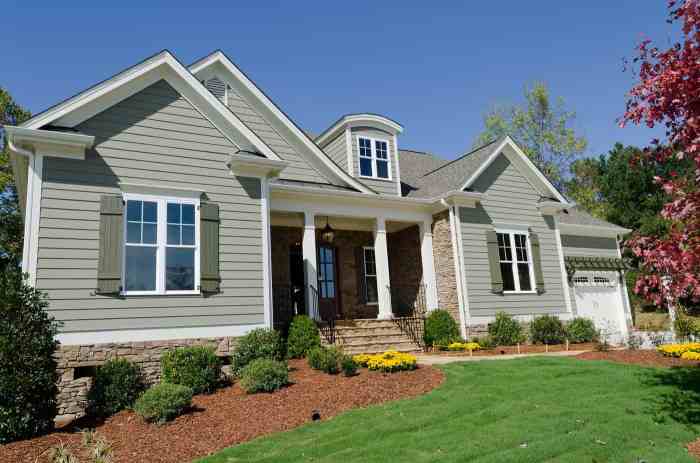
As we conclude this journey through the realm of siding for homes near me, remember that the perfect siding not only enhances the aesthetics of your home but also provides durability and protection. With the information provided, you are now equipped to make an informed decision that suits your needs and preferences.
FAQ Section
What are the most common types of siding materials used for homes near me?
Common siding materials include vinyl, wood, fiber cement, and metal, each offering unique benefits in terms of durability and aesthetics.
How does climate impact the choice of siding for homes near me?
Climate plays a crucial role in selecting siding materials, as certain materials are better suited for specific weather conditions to ensure longevity.
What are the average costs associated with different siding materials for homes near me?
Costs vary based on materials, with vinyl being more budget-friendly compared to fiber cement or metal. It's essential to consider long-term maintenance costs as well.
Do I need permits for siding installation near me?
Yes, it's important to comply with local building codes and obtain necessary permits before installing siding on your home to avoid any legal issues.