Crafting a Masterpiece: The Art of Roofing and Siding Specialist
Roofing and siding specialists play a crucial role in enhancing the structural integrity and aesthetic appeal of buildings. From selecting the right materials to executing flawless installations, these experts are the key to a successful project. Dive into this comprehensive guide to discover the world of roofing and siding specialists.
As we delve deeper into the responsibilities, materials, and maintenance involved in this specialized field, you'll gain valuable insights that will empower you to make informed decisions for your next roofing or siding project.
Overview of Roofing and Siding Specialist
A roofing and siding specialist is a skilled professional who specializes in the installation, repair, and maintenance of roofs and siding on residential or commercial buildings. They play a crucial role in ensuring the structural integrity and protection of a property.
Role and Responsibilities
- Inspecting roofs and siding to assess damage or wear and tear.
- Providing estimates for repair or replacement projects.
- Installing new roofing materials or siding according to building codes and manufacturer guidelines.
- Repairing leaks, cracks, or other damages to ensure a watertight seal.
- Performing regular maintenance to prolong the lifespan of roofs and siding.
Importance of Hiring a Specialist
It is essential to hire a roofing and siding specialist for projects due to their expertise and experience in handling complex roofing and siding systems. By hiring a specialist, property owners can ensure quality workmanship, compliance with safety regulations, and timely completion of projects.
Skills and Qualifications
- Knowledge of different roofing materials and siding options.
- Strong understanding of building codes and safety regulations.
- Excellent problem-solving skills to address issues during installations or repairs.
- Physical stamina and dexterity to work at heights and in various weather conditions.
- Certifications or training in roofing and siding installation techniques.
Roofing Materials
When it comes to roofing materials, specialists have a variety of options to choose from based on factors like durability, cost-effectiveness, and environmental impact. Let's explore some common roofing materials used in the industry.
Asphalt Shingles
Asphalt shingles are one of the most popular roofing materials due to their affordability and ease of installation. They come in a variety of colors and styles, making them a versatile choice for many homeowners. However, asphalt shingles may not be as durable as other materials and may require more frequent replacement.
Metal Roofing
Metal roofing is known for its durability and longevity. While it may have a higher upfront cost compared to asphalt shingles, metal roofs can last significantly longer with minimal maintenance. They are also energy-efficient and recyclable, making them a more sustainable option.
Wood Shingles
Wood shingles provide a natural and rustic look to a home. While they are aesthetically pleasing, wood shingles may require more maintenance to prevent rot, mold, and insect infestations. They are not as fire-resistant as other materials, which is an important consideration for some homeowners.
Tile Roofing
Tile roofing is known for its longevity and durability, with some roofs lasting over 100 years. However, tile roofs can be heavy and require a strong support structure. They are also more expensive than asphalt shingles or metal roofing, but they offer a unique and elegant appearance to a home.
Slate Roofing
Slate roofing is one of the most durable roofing materials available, with some roofs lasting over 150 years. While slate roofs are expensive to install, they require little maintenance and are fire-resistant. They are also a natural material that can be recycled at the end of their lifespan, making them an environmentally friendly choice.
Siding Options
When it comes to siding options for residential and commercial buildings, there are several choices available to suit different styles and needs.
Vinyl Siding
Vinyl siding is a popular choice due to its affordability, low maintenance requirements, and versatility in colors and styles. It is also durable and resistant to rot, moisture, and pests, making it a long-lasting option for many homeowners.
Fiber Cement Siding
Fiber cement siding is a more durable option that mimics the look of wood without the maintenance requirements. It is resistant to fire, rot, and pests, making it a great choice for those looking for a low-maintenance yet aesthetically pleasing option.
Wood Siding
Wood siding offers a classic and natural look to buildings, but it requires more maintenance to prevent rot, pests, and weather damage. However, many homeowners appreciate the warmth and charm that wood siding adds to a property.
Metal Siding
Metal siding is a durable and long-lasting option that is resistant to fire, pests, and rot. It is also low maintenance and can provide a modern and sleek appearance to a building. Metal siding is often used in commercial buildings but can also be a unique choice for residential properties.
Brick Siding
Brick siding is a timeless option that offers a classic and elegant look to buildings. It is durable, fire-resistant, and low maintenance, making it a great choice for those looking for a long-lasting and aesthetically appealing option. Brick siding also provides excellent insulation properties, helping to regulate indoor temperatures and reduce energy costs.
Installation Process
When it comes to installing roofing and siding, specialists follow a meticulous step-by-step process to ensure a durable and high-quality result. By using the right tools and equipment and adhering to best practices, they can guarantee the longevity and performance of the installations.
Roofing Installation Process
- Preparation of the roof deck by removing old materials and ensuring a clean surface.
- Installation of underlayment to provide a waterproof barrier.
- Placement of roofing materials such as shingles, tiles, or metal sheets according to the design.
- Flashing installation around roof penetrations to prevent water leaks.
- Final inspection and clean-up to ensure the roof is properly installed and free of debris.
Siding Installation Process
- Preparation of the walls by cleaning and inspecting for any damage.
- Measurement and cutting of siding materials to fit the dimensions of the walls.
- Attachment of siding panels using nails, screws, or clips for secure fastening.
- Sealing joints and edges to prevent moisture infiltration and improve insulation.
- Finishing touches such as trim installation for a polished look.
Tools and Equipment
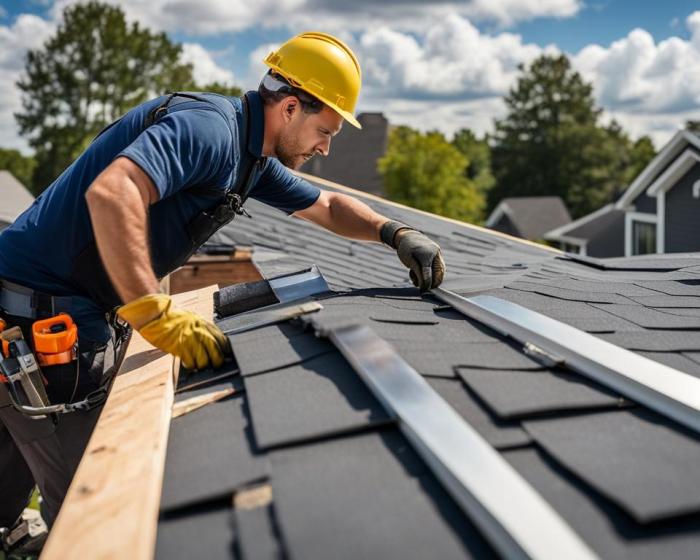
Roofing and siding specialists utilize a variety of tools and equipment to facilitate the installation process. Some common tools include:
- Roofing nail gun for fastening shingles or tiles.
- Siding cutter for precise cutting of siding materials.
- Flashing tape for waterproofing roof penetrations.
- Ladder or scaffolding for safe access to elevated areas.
Best Practices
To ensure the longevity and quality of roofing and siding installations, specialists follow these best practices:
- Proper ventilation to prevent moisture buildup and prolong the lifespan of materials.
- Regular inspections and maintenance to address any issues promptly.
- Using high-quality materials that are suitable for the local climate and conditions.
- Professional installation by certified specialists to guarantee proper techniques and practices.
Maintenance and Repairs
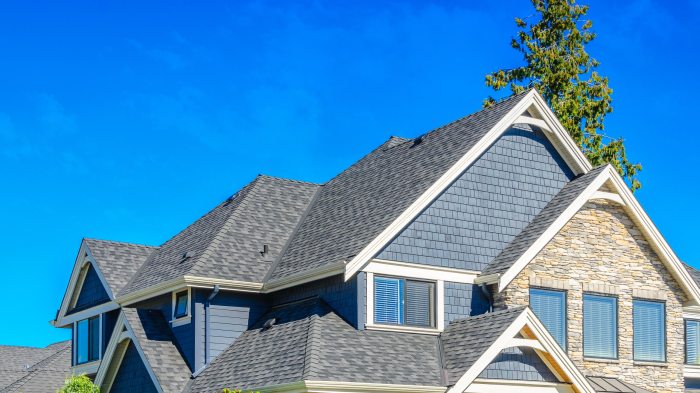
Regular maintenance for roofs and siding is essential to ensure their longevity and performance. By addressing issues early on, homeowners can prevent costly repairs and extend the lifespan of their roofing and siding materials.
Importance of Regular Maintenance
- Inspect the roof and siding at least once a year to check for any signs of damage or wear.
- Clean gutters and downspouts regularly to prevent water buildup and potential water damage.
- Trim overhanging branches to prevent damage from falling debris.
- Check for signs of mold, mildew, or algae growth, which can indicate moisture issues.
Identifying Common Issues
- Look for missing or damaged shingles, which can expose the roof to leaks.
- Check for cracks, holes, or warping in siding materials that can allow water infiltration.
- Inspect flashing around chimneys, vents, and skylights for signs of damage or deterioration.
- Check for signs of water stains on ceilings or walls, which can indicate a roof leak.
Repair Process
- For damaged shingles, replace them with new ones and secure them properly.
- Repair cracks or holes in siding by filling them with caulk or replacing the damaged section.
- Replace damaged flashing to prevent water from seeping into the roof.
- Address any leaks promptly to prevent further damage to the roof and interior of the home.
Safety Regulations
Roofing and siding specialists must adhere to strict safety protocols to ensure the well-being of themselves and others on the job site. These regulations are in place to prevent accidents and injuries that can occur during roofing and siding work.
Potential Hazards
- Falls: Working at heights poses a significant risk for roofing and siding specialists. Falling from a roof or ladder can result in serious injuries or fatalities.
- Electrical Hazards: Roofing work often involves working near power lines, which can lead to electrocution if proper precautions are not taken.
- Hazardous Materials: Some roofing materials contain harmful substances such as asbestos, which can pose health risks if not handled properly.
- Weather Conditions: Adverse weather conditions like strong winds, rain, or snow can create slippery conditions and increase the risk of accidents.
Safety Measures
- Use of Personal Protective Equipment (PPE): Roofing and siding specialists should always wear appropriate PPE such as helmets, safety harnesses, gloves, and safety glasses.
- Training and Certification: Specialists should undergo proper training and certification to ensure they are aware of safety protocols and best practices.
- Fall Protection Systems: Installing guardrails, safety nets, and personal fall arrest systems can help prevent falls from roofs and ladders.
- Regular Inspections: Job sites should be inspected regularly to identify and address any safety hazards before they cause harm.
- Communication: Clear communication among team members is essential to ensure everyone is aware of potential hazards and safety procedures.
Conclusive Thoughts
In conclusion, roofing and siding specialists are the unsung heroes behind every well-constructed building. Their expertise, attention to detail, and commitment to quality ensure that your property stands the test of time. As you embark on your next construction endeavor, remember the invaluable role that these specialists play in bringing your vision to life.
FAQ
What are the typical responsibilities of a roofing and siding specialist?
Roofing and siding specialists are tasked with assessing, repairing, and installing roofing and siding materials to ensure the structural integrity and weatherproofing of buildings.
How can I identify common roofing and siding issues as a homeowner?
Look out for signs such as leaks, missing or damaged shingles, mold growth, or loose siding panels. Regular inspections can help catch these issues early.
What are some best practices for ensuring the longevity of roofing and siding installations?
Proper maintenance, timely repairs, and using high-quality materials are key factors in ensuring the longevity and durability of roofing and siding installations.