Enhancing Your Home: The Ultimate Guide to Home Siding Replacement
Exploring the world of home siding replacement introduces homeowners to a realm of possibilities. From boosting energy efficiency to elevating curb appeal, the journey to a revamped home exterior begins here.
As we delve deeper, we uncover the ins and outs of siding materials, the crucial process of selecting the right fit for your home, and the essential steps involved in a successful replacement project.
Benefits of Home Siding Replacement
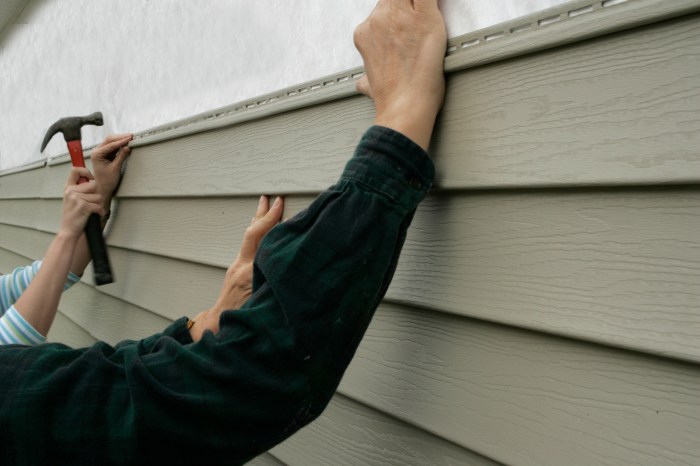
Replacing the siding on your home can offer a multitude of benefits that go beyond just aesthetic improvements. Here are some key advantages to consider:
Improved Energy Efficiency
Upgrading your home's siding can lead to better insulation, reducing energy loss and lowering utility bills. New siding materials are designed to keep your home cooler in the summer and warmer in the winter, creating a more comfortable living environment while saving you money on heating and cooling costs.
Increased Property Value
Investing in new siding can significantly increase the value of your property. Potential buyers are often attracted to homes with updated siding, as it signals that the property has been well-maintained and is less likely to have underlying issues. This can result in a higher resale value and a faster sale when it comes time to put your home on the market.
Enhanced Curb Appeal
The exterior of your home is the first thing visitors and passersby notice, and new siding can instantly boost your home's curb appeal. Whether you choose a modern color palette, a traditional style, or a unique texture, updated siding can give your home a fresh, polished look that will make it stand out in the neighborhood.
Types of Siding Materials
When it comes to home siding, there are several materials to choose from, each with its own set of advantages and disadvantages.
Vinyl Siding
- Vinyl siding is a popular choice due to its affordability and low maintenance requirements.
- It is durable and resistant to rot, insect damage, and fading.
- However, it may crack or warp in extreme weather conditions.
- Regular cleaning with a pressure washer is usually enough to maintain its appearance.
Wood Siding
- Wood siding offers a natural and classic look to homes.
- It is biodegradable and environmentally friendly.
- However, it requires regular maintenance such as staining, painting, and sealing to prevent rot and insect infestations.
- Wood siding is more expensive than vinyl but can add a lot of character to a home.
Fiber Cement Siding
- Fiber cement siding is a versatile and durable option.
- It is resistant to fire, moisture, rot, and insects.
- It can mimic the look of wood, stucco, or masonry at a lower cost.
- Maintenance includes repainting every 15-20 years, but it generally requires less upkeep than wood siding.
Metal Siding
- Metal siding is known for its durability and longevity.
- It is resistant to fire, rot, and insect damage.
- It requires little maintenance beyond occasional cleaning with a hose.
- Metal siding can be more expensive upfront but can last for decades with minimal maintenance.
Choosing the Right Siding for Your Home
When it comes to selecting the right siding for your home, there are several factors to consider to ensure you make the best choice for your specific needs and preferences.
Tips for Selecting the Best Siding Material for Your Climate
- Consider the weather conditions in your area - choose a siding material that can withstand extreme temperatures, high humidity, or heavy precipitation.
- Opt for materials that are resistant to mold, rot, and pests, especially in humid climates.
- Consult with local experts or contractors to get recommendations on the most suitable siding materials for your specific climate.
Importance of Considering the Architectural Style of Your Home
- Match the siding material to the architectural style of your home to ensure a cohesive and aesthetically pleasing look.
- For traditional homes, consider classic siding materials like wood or brick, while modern homes may benefit from sleeker options like metal or vinyl.
- Take into account any unique features or design elements of your home that may influence the choice of siding material.
How to Match Siding Color and Texture to Enhance Overall Design
- Choose siding colors and textures that complement the existing exterior features of your home, such as the roof, windows, and landscaping.
- Consider the visual impact of different textures and colors on the overall curb appeal of your home.
- Experiment with samples or swatches to see how different siding options look against your home's exterior before making a final decision.
Insights on Balancing Cost, Durability, and Aesthetics When Choosing Siding
- Evaluate the upfront cost of different siding materials against their long-term durability and maintenance requirements.
- Consider the return on investment of higher-quality siding materials that may require less frequent repairs or replacements over time.
- Find a balance between cost, durability, and aesthetics to choose a siding material that fits your budget and enhances the overall value of your home.
Steps in Home Siding Replacement Process
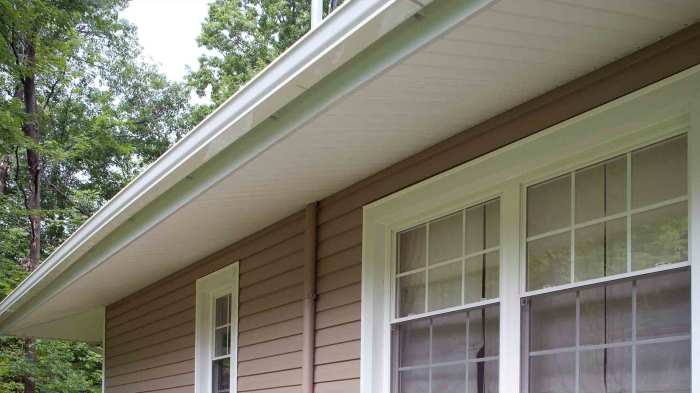
When it comes to replacing the siding of your home, there are several crucial steps in the process that need to be followed to ensure a successful outcome. From the initial inspection to the post-installation maintenance, each step plays a vital role in the overall process.
Initial Inspection and Assessment of Existing Siding
Before any work can begin, a thorough inspection and assessment of the existing siding must be conducted. This step helps identify any damage, rot, or mold that may be present, allowing for proper planning and preparation before the new siding installation.
Preparation Work Required Before Installation
Once the inspection is complete, the preparation work begins. This includes removing the old siding, repairing any underlying issues, such as damaged sheathing or insulation, and ensuring the surface is clean and ready for the new siding to be installed.
Actual Installation Process of New Siding
The installation process involves carefully measuring and cutting the new siding materials to fit the specific dimensions of your home. Whether you choose vinyl, fiber cement, wood, or any other siding material, proper installation techniques are crucial to ensure a seamless finish and long-lasting results.
Post-Installation Maintenance Tips for Prolonging Siding Lifespan
To prolong the lifespan of your new siding, regular maintenance is essential. This includes cleaning the siding periodically, inspecting for any signs of damage or wear, and addressing any issues promptly to prevent further damage. Proper maintenance not only keeps your home looking great but also helps protect your investment in the long run.
Epilogue
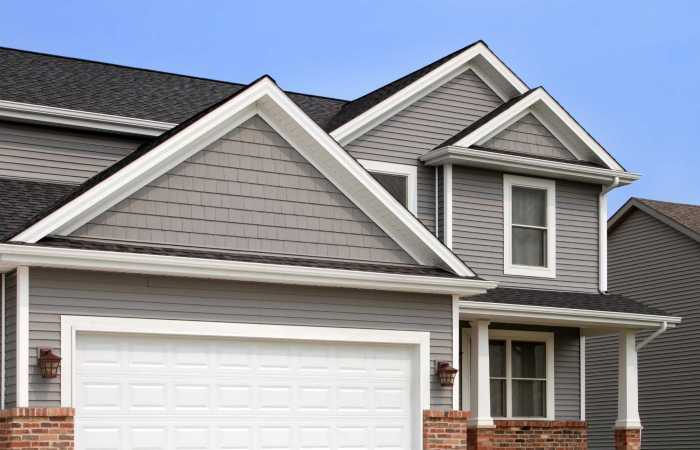
As we wrap up our exploration of home siding replacement, it's clear that this endeavor offers not just a fresh look but also improved functionality and value to your property. With the right choice of materials and meticulous installation, your home is on its way to a stunning transformation.
FAQ Resource
What are the advantages of replacing home siding?
Replacing home siding can enhance energy efficiency, boost property value, and improve the overall curb appeal of your home.
How do I choose the right siding material for my climate?
Consider factors like weather conditions, moisture levels, and temperature variations in your area to select a siding material that can withstand these elements.
What maintenance is required for wood siding?
Wood siding needs regular inspections, refinishing, and protection against moisture to prevent rot and decay.
What steps are involved in the home siding replacement process?
The process includes inspecting existing siding, preparing for installation, installing new siding, and following post-installation maintenance tips for longevity.