Enhancing Your Home: The Ultimate Guide to Exterior Siding Replacement
Embark on a journey to transform your home with a fresh look through exterior siding replacement. Discover the key aspects of this process, from materials to costs, and make your home the envy of the neighborhood.
Importance of Exterior Siding Replacement
Maintaining quality siding is crucial for the overall well-being of a property. Siding not only acts as a protective barrier against the elements but also contributes significantly to the aesthetic appeal of a home.Deteriorating siding can have a negative impact on the value of a property.
Cracked, warped, or faded siding can make a house look neglected and can decrease its curb appeal. This can result in a lower property value and make it harder to sell the home in the future.New siding has the power to transform the look of a property and enhance its curb appeal.
With a wide range of colors, textures, and materials available in the market, homeowners can choose siding that not only protects their home but also adds a fresh and modern look to it.
Types of Exterior Siding Materials
When it comes to replacing your exterior siding, there are several materials to choose from, each with its own unique characteristics and benefits. Let's explore the most common options available:
Vinyl Siding
Vinyl siding is a popular choice due to its affordability and low maintenance requirements. It is durable and resistant to rot, fading, and pests. However, it may crack or warp over time, especially in extreme weather conditions.
Wood Siding
Wood siding offers a classic and natural look that many homeowners love. It can be painted or stained in various colors for a customized appearance. While wood siding is durable and can last for decades if properly maintained, it requires regular upkeep to prevent rot and insect damage.
Fiber Cement Siding
Fiber cement siding is a versatile option that mimics the look of wood but with less maintenance. It is resistant to fire, rot, and pests, making it a durable choice for many homeowners. However, installation can be more labor-intensive and costly compared to other materials.
Metal Siding
Metal siding, such as aluminum or steel, is known for its durability and low maintenance requirements. It is resistant to rot, pests, and fire, making it a practical choice for many homeowners. Metal siding can also be painted in various colors to enhance curb appeal.
Cost Considerations for Siding Replacement
When considering a siding replacement project for your home, it is crucial to understand the various costs involved. From materials to labor, several factors can influence the overall cost of the project. Let's break down these costs and explore some cost-effective options for homeowners on a budget.
Breakdown of Costs
- Materials: The type and quality of siding material chosen will greatly impact the overall cost. Options range from affordable vinyl siding to more expensive options like fiber cement or natural wood.
- Labor: Hiring professionals to install the siding will add to the total cost. Labor costs can vary depending on the complexity of the project and the experience of the contractors.
- Permits and Fees: Depending on your location, you may need to obtain permits for the siding replacement, which can incur additional costs.
- Additional Work: Any necessary repairs or preparation work, such as removing old siding or addressing underlying issues, will also contribute to the final cost.
Factors Influencing Cost
- Size of the Home: The square footage of your home will directly impact the amount of materials needed, affecting the overall cost.
- Design Complexity: Intricate designs or architectural details may require more labor and specialized skills, increasing the cost of installation.
- Location: Labor costs can vary depending on the region, and factors like accessibility and environmental considerations can also influence the project cost.
Cost-Effective Options
- Vinyl Siding: Vinyl is a popular and cost-effective option that offers durability and low maintenance, making it a budget-friendly choice for many homeowners.
- Fiber Cement: While slightly more expensive than vinyl, fiber cement siding provides excellent durability and can mimic the look of natural wood at a lower cost.
- DIY Installation: For homeowners with some experience in home improvement projects, tackling the siding installation themselves can help save on labor costs.
Hiring a Professional vs. DIY Siding Replacement
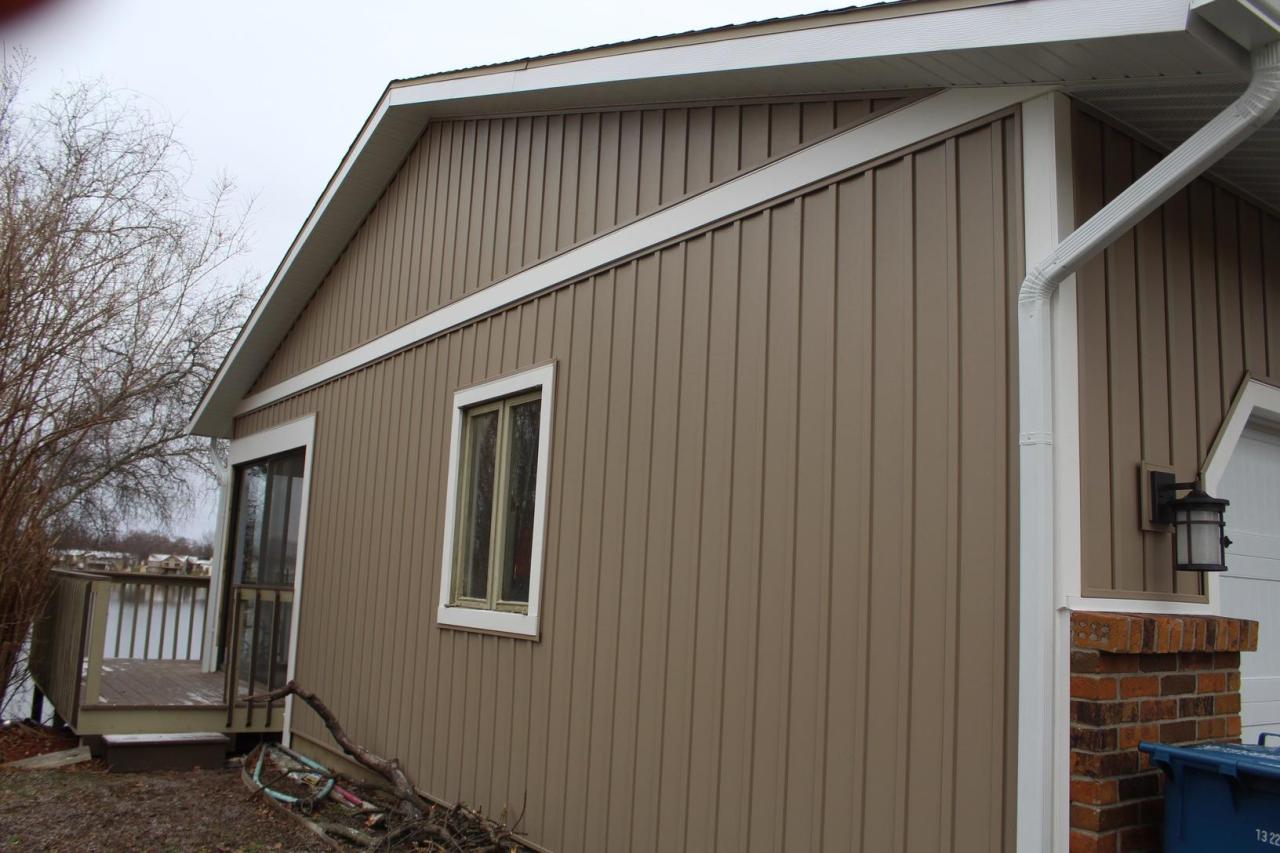
When it comes to replacing exterior siding, homeowners often face the decision of whether to hire a professional contractor or attempt a do-it-yourself (DIY) approach. Each option comes with its own set of benefits, risks, and challenges.
Benefits of Hiring a Professional Contractor
- Expertise: Professional contractors have the necessary skills, knowledge, and experience to ensure the siding replacement is done correctly.
- Time-saving: Hiring a professional can save homeowners time as they can complete the project efficiently and effectively.
- Quality work: Professionals use high-quality materials and tools to ensure a durable and long-lasting siding replacement.
- Warranty: Many professional contractors offer warranties on their work, providing homeowners with peace of mind.
Risks and Challenges of DIY Siding Replacement
- Incorrect installation: Without the proper skills and experience, DIY siding replacement can result in improper installation, leading to potential issues in the future.
- Safety hazards: Working at heights and with power tools can pose safety risks for homeowners attempting a DIY siding replacement.
- Costly mistakes: Errors made during a DIY project can be costly to fix, potentially outweighing any initial savings.
Tips for Homeowners Considering a DIY Approach
- Research and plan: Take the time to research the process, materials, and tools needed for the siding replacement project.
- Start small: If you're new to DIY projects, consider starting with a smaller area or simpler task before tackling the entire siding replacement.
- Follow instructions: Make sure to follow manufacturer guidelines and instructions carefully to ensure proper installation.
- Safety first: Always prioritize safety by using protective gear, working with a partner, and following best practices for working at heights.
Maintenance Tips for New Siding
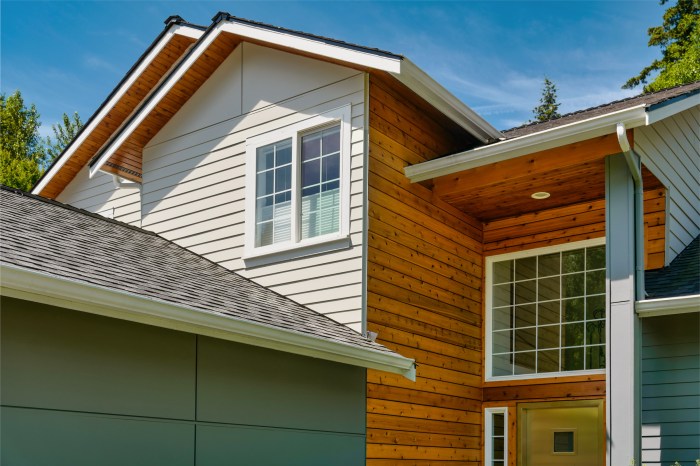
Proper maintenance of your new siding is essential to ensure its longevity and keep your home looking great. By following these maintenance tips, you can protect your investment and prevent costly repairs in the future.
Cleaning and Inspecting Regularly
Regularly inspecting and cleaning your siding is crucial to prevent damage and maintain its appearance. Here are some tips for cleaning and inspecting different types of siding materials:
- For vinyl siding, use a mixture of water and mild detergent to clean off dirt and grime. Inspect for any cracks or damage that may need to be repaired.
- For wood siding, gently scrub with a brush and soapy water to remove dirt and mold. Check for rot or warping that may indicate moisture issues.
- For fiber cement siding, use a soft brush and soapy water to clean the surface. Inspect for any chips or cracks that may need to be filled in.
Protecting from Weather Damage and Pests
In addition to regular cleaning and inspections, it's important to take steps to protect your siding from weather damage and pests. Here are some tips to keep your siding in top condition:
- Trim trees and bushes away from the siding to prevent damage from branches and foliage.
- Seal any gaps or cracks in the siding to prevent water intrusion and pest infestations.
- Consider installing gutter guards to prevent clogs and water overflow that can damage your siding.
Professional Maintenance Assistance
If you're unsure about how to properly maintain your siding or if you notice significant damage, don't hesitate to contact a professional for assistance. They can provide expert advice and solutions to ensure your siding remains in top condition for years to come.
Last Word
As we conclude our exploration of exterior siding replacement, remember that a well-maintained exterior not only adds value to your property but also creates a welcoming facade. Take the first step towards a beautiful home today.
Query Resolution
What are the benefits of maintaining quality siding?
Quality siding enhances your home's appearance, protects it from the elements, and can increase property value.
Which siding material is the most durable?
Fiber cement siding is known for its durability and resistance to weather conditions.
Is DIY siding replacement recommended?
While DIY can save money, hiring a professional ensures proper installation and avoids potential mistakes.
How can homeowners protect siding from weather damage?
Regular inspections, cleaning, and timely repairs can help prevent weather-related damage to siding.
What factors influence the cost of siding replacement?
The type of material, size of the project, labor costs, and additional features all contribute to the overall cost.