Exploring the World of EIFS Siding
Delve into the realm of EIFS siding, a versatile construction material that offers a myriad of benefits and design options. From its basic concept to installation techniques, this topic covers it all in a comprehensive manner.
Introduction to EIFS Siding
EIFS stands for Exterior Insulation and Finish System. It is a type of exterior cladding system that provides insulation and aesthetic appeal to buildings.
Basic Concept of EIFS Siding
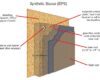
EIFS siding involves applying layers of insulation board, a base coat, and a finish coat to the exterior of a building. This system helps improve energy efficiency and enhances the appearance of the structure.
Primary Components of EIFS Siding
- Insulation Board: This layer provides thermal insulation, helping to reduce energy costs by maintaining a consistent indoor temperature.
- Base Coat: The base coat is applied over the insulation board to provide durability and protection against moisture infiltration.
- Finish Coat: The finish coat is the outermost layer that determines the texture, color, and overall look of the EIFS siding.
Benefits of EIFS Siding
EIFS siding, or Exterior Insulation and Finish System, offers a range of advantages that make it a popular choice for residential and commercial buildings alike.
Enhanced Insulation
- EIFS provides superior insulation compared to traditional siding materials, helping to reduce energy costs by maintaining a consistent indoor temperature.
- The continuous insulation layer helps to minimize thermal bridging, improving overall energy efficiency.
Durability and Versatility
- EIFS is highly durable and resistant to impact, moisture, and mold, extending the lifespan of the building exterior.
- It can be customized to achieve various textures, colors, and finishes, allowing for creative design possibilities.
Cost-Effective Installation
- Compared to traditional stucco or brick, EIFS installation is typically faster and more cost-effective, saving both time and money during construction.
- The lightweight nature of EIFS reduces the structural load on the building, resulting in potential savings on foundation and structural support.
Energy Efficiency
- EIFS helps to reduce heat loss in the winter and heat gain in the summer, leading to lower energy consumption for heating and cooling.
- By improving the building's thermal performance, EIFS contributes to a more sustainable and eco-friendly construction solution.
Installation Process of EIFS Siding
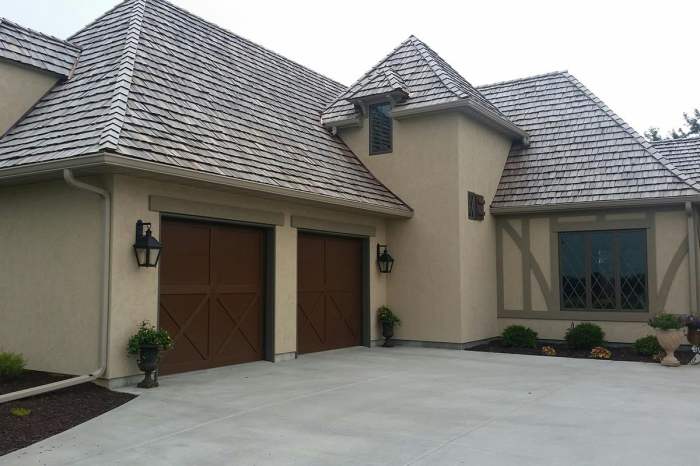
When it comes to installing EIFS siding, it is crucial to follow the proper techniques to ensure a successful outcome. The installation process involves several steps that need to be carried out meticulously to achieve the desired results.
Preparation of the Surface
- Inspect the substrate for any damage or imperfections that need to be addressed before installation.
- Clean the surface thoroughly to remove any dirt, debris, or contaminants that could affect the adhesion of the EIFS system.
- Apply a base coat to create a smooth and even surface for the EIFS system to be installed on.
Installation of the EIFS System
- Apply the adhesive to the substrate and attach the insulation board securely in place.
- Install the reinforcing mesh over the insulation board and embed it in a base coat of adhesive.
- Apply a finish coat over the mesh to provide the desired texture and color to the EIFS system.
Finishing Touches
- Inspect the entire installation for any gaps, cracks, or imperfections that need to be fixed before completion.
- Apply any additional coats or finishes as needed to achieve the desired look and protection for the EIFS system.
- Ensure proper curing time for the EIFS system before exposing it to any external elements.
Maintenance and Care of EIFS Siding
Maintaining EIFS siding is essential to ensure its longevity and appearance. Regular care can help prevent issues and prolong the life of your siding.
Cleaning and Inspecting
- Regularly clean the EIFS siding with a gentle detergent and water to remove dirt and debris.
- Inspect the siding for any cracks, chips, or damage that may allow moisture to seep in.
- Address any issues promptly to prevent further damage and ensure the integrity of the siding.
Repair and Replacement
- If you notice any cracks or damage, repair them using EIFS patching materials to maintain the protective barrier.
- In case of severe damage or extensive wear, consider replacing the affected areas to prevent structural issues.
Preventive Measures
- Ensure proper drainage around the EIFS siding to prevent water accumulation and potential water damage.
- Trim vegetation near the siding to prevent moisture retention and mold growth.
Longevity and Proper Care
With regular maintenance and care, EIFS siding can last for many years, providing a durable and aesthetically pleasing exterior for your property. By following these maintenance guidelines, you can ensure the longevity and performance of your EIFS siding.
Design Options with EIFS Siding
When it comes to EIFS siding, the design possibilities are endless. Whether you prefer a modern, sleek look or a more traditional aesthetic, EIFS siding can be customized to suit your style. With a wide range of colors, textures, and finishes available, you can truly make your home stand out.
Customization Options
EIFS siding offers a variety of customization options to help you achieve the look you desire. From different textures like smooth, stucco, or brick patterns to a vast array of colors, you can personalize your exterior to match your unique taste.
Additionally, architectural details such as cornices, columns, and moldings can be easily incorporated into the design for added flair.
Incorporating EIFS into Architectural Styles
EIFS siding can seamlessly blend into various architectural styles, from contemporary to classical. For a modern look, consider opting for a smooth finish in a monochromatic color palette. If you have a more traditional home, you can choose a textured EIFS with trim details to complement the style.
EIFS can also mimic the appearance of other materials like stone or wood, offering versatility in design.
Ending Remarks
In conclusion, EIFS siding emerges as a sustainable, energy-efficient, and aesthetically pleasing choice for architectural projects. With proper maintenance and installation, EIFS siding can elevate the visual appeal and functionality of any building.
Frequently Asked Questions
What does EIFS stand for?
EIFS stands for Exterior Insulation and Finish System.
How do you maintain EIFS siding?
Maintain EIFS siding by cleaning it regularly with a mild detergent and water, avoiding harsh chemicals that could damage the finish.
What are common issues with EIFS siding?
Common issues include moisture infiltration, cracking, and color fading. These can be addressed through timely repairs and proper maintenance.