Exploring the World of Siding Outside
Delving into the realm of siding outside, this introductory paragraph aims to captivate readers with a glimpse of the diverse materials, installation process, design options, and maintenance practices associated with exterior siding.
Types of Siding Materials
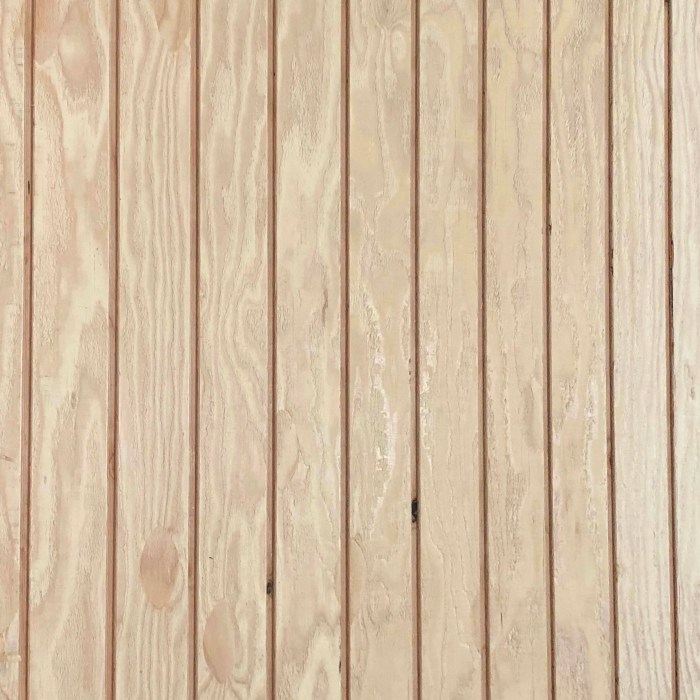
When it comes to siding materials for the exterior of a building, there are several options available, each with its own set of features and benefits.
Vinyl Siding
Vinyl siding is a popular choice due to its affordability, versatility, and low maintenance requirements. It is available in a wide range of colors and styles, making it easy to customize the look of a home. Vinyl siding is also durable and resistant to rot, mold, and insects.
However, it can crack or fade over time and may not be as environmentally friendly as other options.
Wood Siding
Wood siding offers a natural and classic look that many homeowners appreciate. It can be painted or stained in various colors to suit different aesthetics. Wood siding is also biodegradable and environmentally friendly. However, it requires regular maintenance, such as painting, staining, and sealing, to prevent rot, mold, and insect damage.
Fiber Cement Siding
Fiber cement siding is a durable and low-maintenance option that resists rot, fire, and insects. It can mimic the look of wood, brick, or stone but without the associated maintenance requirements. Fiber cement siding is also moisture-resistant and can withstand harsh weather conditions.
However, it is heavier and more challenging to install than other siding materials.
Metal Siding
Metal siding, such as aluminum or steel, is known for its strength, durability, and resistance to fire and pests. It is low maintenance, requiring occasional cleaning to maintain its appearance. Metal siding is also recyclable and energy-efficient. However, it may dent or scratch easily, and certain metals can be prone to corrosion in salty or humid environments.
Siding Installation
Installing siding on the exterior of a building is a crucial step in enhancing the aesthetics and protection of the structure. The process involves careful planning, proper tools, and attention to detail to ensure a successful outcome.
Tools and Equipment Needed
- Hammer: Essential for securing the siding to the exterior wall.
- Nails or screws: Used to attach the siding panels to the wall.
- Tape measure: To ensure accurate measurements for cutting the siding.
- Saw: Needed for cutting the siding panels to fit around windows, doors, and corners.
- Level: Helps in ensuring that the siding is installed straight and level.
- Utility knife: Used for trimming and cutting the siding material.
Challenges and Solutions
- Uneven walls: One common challenge during siding installation is dealing with uneven walls. This can lead to gaps or buckling in the siding. To overcome this, it is important to properly prepare the walls by fixing any structural issues and using furring strips to create a level surface for the siding.
- Moisture issues: Moisture can seep behind the siding and cause damage if not properly addressed. To prevent this, ensure that there is proper insulation and moisture barriers installed before putting up the siding. Regular maintenance and inspections can also help in identifying and fixing any moisture-related issues.
- Poor insulation: Inadequate insulation can lead to energy loss and reduced efficiency. It is important to properly insulate the walls before installing the siding to improve energy efficiency and comfort inside the building.
Siding Design and Styles
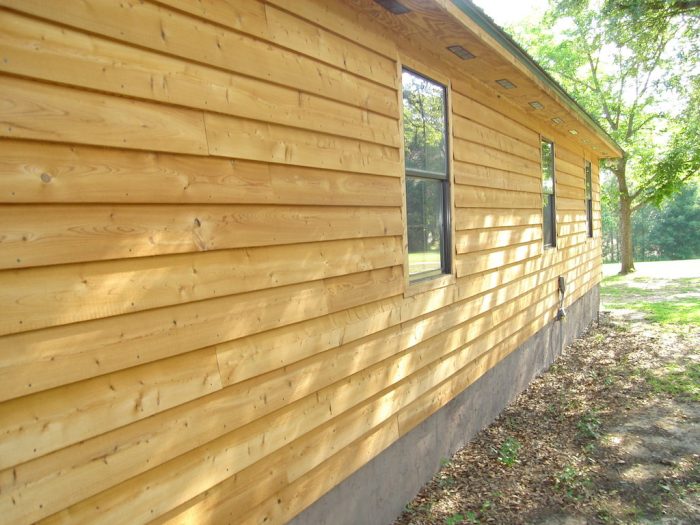
When it comes to siding design and styles, there are various options to choose from that can greatly impact the overall aesthetic of a home. The design of siding can enhance the curb appeal, add character, and even increase the value of a property.
Let's explore some popular siding styles and their characteristics.
Popular Siding Styles
- Horizontal Lap:This classic siding style features overlapping horizontal boards that give a traditional look to a home. It is versatile and works well with different architectural styles.
- Board and Batten:Board and batten siding consists of wide vertical boards with narrow strips (battens) covering the seams. It adds a rustic charm and is often seen on farmhouse-style homes.
- Shingle:Shingle siding, also known as shake siding, mimics the look of wooden shingles and offers a cozy, cottage-like appearance. It can create a warm and inviting feel for a home.
- Brick Veneer:Brick veneer siding provides a timeless and elegant look to a property. It offers durability and a classic aesthetic that can suit both traditional and modern homes.
Siding Maintenance and Care
Maintaining and caring for exterior siding is crucial to ensure its longevity and appearance. By following best practices, identifying common issues, and performing regular maintenance, you can keep your siding in top condition.
Identifying and Repairing Common Issues
- Rot:Inspect your siding regularly for any signs of rot, such as soft spots, discoloration, or a musty smell. If you spot rot, replace the affected boards immediately to prevent further damage.
- Warping:Warped siding can lead to gaps and water penetration. To fix this issue, gently remove the warped boards and replace them with new ones, ensuring proper installation to prevent future warping.
- Mildew:Mildew can thrive on damp siding surfaces. Use a mixture of water and mild detergent to clean the affected areas. Rinse thoroughly and allow the siding to dry completely to prevent mildew growth.
Extending Lifespan through Regular Maintenance
- Regularly clean your siding with a mild detergent and a soft brush or cloth to remove dirt, grime, and mildew.
- Inspect your siding at least once a year for any signs of damage or wear, such as cracks, gaps, or loose boards.
- Trim any overhanging trees or bushes near your siding to prevent moisture buildup and potential damage.
- Ensure proper ventilation around your siding to prevent mold growth and maintain airflow.
- Consider applying a fresh coat of paint or sealant every few years to protect your siding from the elements and enhance its appearance.
End of Discussion
Concluding our exploration of siding outside, we have unraveled the intricacies of different materials, installation techniques, design styles, and maintenance tips that contribute to the overall appeal and longevity of exterior siding.
Quick FAQs
What are the common challenges faced during siding installation?
Common challenges include ensuring proper alignment, cutting materials accurately, and dealing with unexpected obstacles like electrical wiring.
How can siding design impact the overall aesthetic of a home?
Siding design can greatly influence the curb appeal and architectural style of a home, enhancing its visual appeal and character.
What are the best practices for maintaining exterior siding?
Regular cleaning, inspecting for damage, addressing issues promptly, and applying protective coatings are essential for maintaining exterior siding.